


Sonnax designs, develops and manufactures the highest quality aftermarket automotive products. We are the world’s largest full-line supplier of torque converter parts, and offer transmission and specialty driveline components through a global network of parts distributors.
Where to BuySonnax designs, develops and manufactures the highest quality aftermarket automotive products. We are the world’s largest full-line supplier of torque converter parts, and offer transmission and specialty driveline components through a global network of parts distributors.
Enter a Sonnax part number below to view its instructions. For general reaming instructions, click here.
TWO THUMBS UP. I am a loyal user of Sonnax products and they are a company that puts their customers first. Thank you for great products, and I look forward to future products!
B. Cole, Toronto, ON

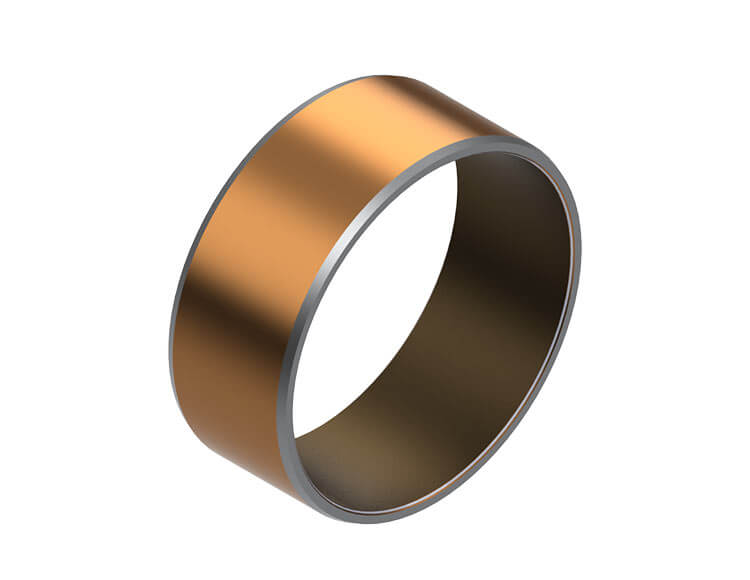
Not for use in 6L45 BMW models, which have a bearing in that position.


My customers depend on me to keep their vehicles on the road. I depend on Sonnax to help me do that. Thanks Sonnax!
S. Moore, Moore's Transmission
Latest News
Every year, Transmission Digest accepts nominations for the top products and tools in the powertrain aftermarket. Readers vote for their favorites to determine the winners.
The results are in: we won 7 top product awards! Thank you all for your trust and support of Sonnax products – we couldn’t have done it without you.
Check out the winning products here:
Every year, Transmission Digest accepts nominations for the top products and tools in the powertrain aftermarket. Readers vote for their favorites to determine the winners.
The results are in: we won 9 top product awards! Thank you all for your trust and support of Sonnax and Rostra products – we couldn’t have done it without you.
Take a look at the winning products here:
Heads up! We’re taking a few days off for the holidays to spend treasured time with our families and enjoy the holiday cheer.
Sonnax will be closed:
Thank you for all your support. Wishing you a happy, healthy and prosperous New Year!
Read MoreI am a Sonnax fan because no matter if I am rebuilding an everyday transmission or a race transmission, I can trust the quality of the Sonnax parts I choose.
C. Lentech, Lentech Automatics
You'll get new product releases, free tech resources, the latest news and special updates delivered right to your inbox.
Select your topic(s) of interest and receive only the information that’s important to you.
Sonnax tools save me time, money and come backs, I use them on every rebuild we do in my shop.
E. Sebris
After decades of serving the transmission aftermarket as standalone companies, Sonnax and Rostra Powertrain Controls integrated in 2021 to become a single, transmission-focused organization.
Our 200+ employees proudly serve the automotive aftermarket with the Sonnax and Rostra Powertrain Controls brands, and strive to further the company’s reputation for excellent service, technical knowledge and customer dedication.
Sonnax Transmission Company headquarters is in Bellows Falls, Vermont, with production facilities in Laurinburg, N.C. and technical development centers in California, Georgia, Indiana, Missouri and Wisconsin. Rostra Powertrain Controls’ production facility is in Laurinburg, N.C.
Careers at SonnaxAll of Sonnax product lines are top notch. I use Sonnax on all my builds.
F. Lane, FastLane Racing Transmissions


